You have had your vehicle ceramic coated by Infinite Brilliance Detailing, LLC, it looks fantastic, and water beads off the paintwork effortlessly. Then spring pollen settles over every surface, a sudden summer rainstorm splashes Upstate red clay onto the lower rocker panels, or autumn leaves accumulate on the hood, and you begin wondering what you should actually be doing to preserve that gloss and hydrophobicity long-term.
The great news is that a ceramic coating makes routine vehicle cleaning dramatically easier. The less-advertised reality is that your coated vehicle still requires proper, consistent maintenance. This practical guide from Infinite Brilliance Detailing covers how to wash a ceramic-coated car, what practices to avoid, how Upstate South Carolina’s distinct seasons affect a coated finish, and when to seek professional maintenance care.
The Short Answer: Wash Gently, Wash Regularly, Remove Contaminants Quickly
To maintain a ceramic-coated vehicle effectively:
- Wash the vehicle regularly using a pH-neutral car shampoo, clean microfiber wash mitts, and a gentle hand-wash routine.
- Promptly safely remove bird droppings, bug splatter, and tree sap before they bake in the hot sun.
- Completely avoid brush-style automatic car washes and harsh household detergents.
Most performance issues that vehicle owners notice stem from surface contamination buildup or aggressive washing habits, rather than the coating itself failing prematurely.
What a Ceramic Coating Changes About Maintenance and What It Does Not
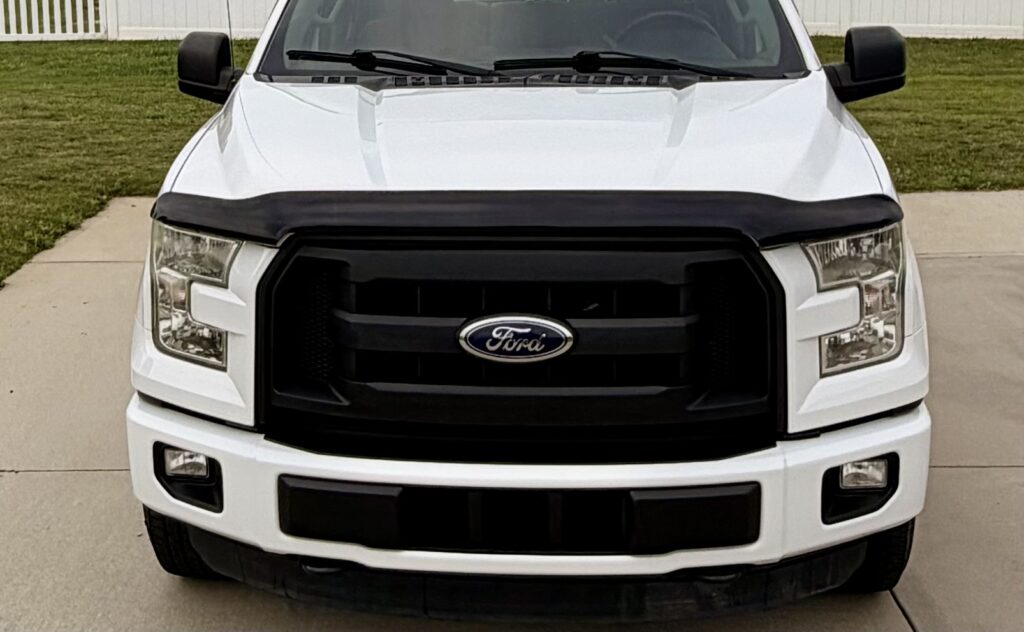
A ceramic coating fundamentally alters how dirt and road grime interact with your clear coat. Because the nano-ceramic layer creates a ultra-smooth, hydrophobic surface, environmental dirt releases with minimal effort, allowing your vehicle to remain cleaner for longer periods between washes. Routine hand washing becomes faster and far less physical.
What a ceramic coating does not change is the fundamental physics of clear coat scratching. Dragging gritty particles across any surface, whether coated or bare, will leave microscopic marring. A coating simplifies your cleaning routine, but it does not make your vehicle scratch-proof or maintenance-free. Think of a ceramic coating as a high-performance protective shield that rewards good maintenance habits rather than an excuse to skip proper vehicle care.
To learn more about our protective coatings, explore our dedicated Infinite Brilliance Detailing Ceramic Coating Services.
The First Days After Your Coating Is Applied
Professional ceramic coatings require time to cure completely after application. During this initial curing window, the polymer chemical bonds are hardening, making the coating temporarily more sensitive to hard water spotting and chemical exposure.
- Follow your installer’s aftercare instructions strictly: Initial cure windows vary by product formulation and ambient weather conditions. Always follow the specific timeline provided by Jaime Jimenez at Infinite Brilliance Detailing.
- Avoid washing with soaps or chemicals: Refrain from washing the vehicle with shampoo during the recommended initial curing period (typically 7 to 14 days).
- Handle early wetness carefully: If your vehicle gets rained on during the first few days, gently dry the panels with a clean, soft microfiber drying towel to prevent mineral spots from forming.
- Remove bird droppings immediately: Soften bird droppings with water and blot them gently with a damp microfiber cloth without rubbing heavily against the paint.
Step-by-Step: How to Properly Wash a Ceramic Coated Car
A gentle, consistent washing routine preserves your coating’s hydrophobic properties far better than any expensive topper spray. Here is the professional hand-washing method recommended for coated vehicles:
1. Choose the Right Time and Environment
Always wash your vehicle in the shade, or early in the morning or late in the evening when panels are cool to the touch. Washing hot paint under direct summer sunlight causes shampoo and rinse water to dry rapidly, creating stubborn mineral water spots.
2. Perform a Thorough Pre-Rinse
Begin with a comprehensive water rinse to flush away loose dirt, dust, and heavy surface pollen before touching the paint with a wash mitt. Using a pressure washer at a safe distance or a high-flow hose nozzle works effectively. Applying a gentle foam pre-wash helps lift surface grime even further.
3. Use the Two-Bucket Method
Fill one bucket with a pH-neutral car shampoo solution and a second bucket with clean rinse water. Place grit guards at the bottom of both buckets. Dip your microfiber mitt into the soapy bucket, wash a single panel, and then rinse the mitt thoroughly in the clean water bucket before reloading it with soap.
4. Work from Top to Bottom
Wash the cleanest areas first: the roof, glass, and upper body panels. Save the lower side panels, rear bumper, and rocker areas, which carry the heaviest road grime, for last. Use a separate wash mitt and bucket for wheels and tires.
5. Dry Gently and Safely
Dry the surface immediately using a plush, clean microfiber drying towel by blotting or gently gliding it across the finish. Alternatively, use a touchless leaf blower or filtered air dryer to blow standing water out of trim and body seams. Never use old bath towels, chamois leathers, or towels dropped on the ground.
Do’s and Don’ts for Coated Vehicles
| Recommended Habits (Do) | Habits to Avoid (Don’t) |
| Use pH-neutral car shampoos formulated for coatings | Use dish soap, household cleaners, or strong degreasers |
| Wash with plush microfiber mitts & two-bucket method | Use sponges, stiff brushes, or a single dirty wash bucket |
| Remove bird droppings, bug splatter, and tree sap promptly | Allow environmental contaminants to bake under the sun |
| Pre-rinse heavily before touching the paint surface | Dry-wipe dusty or pollen-covered panels with a dry towel |
| Dry with clean microfiber drying towels or filtered air | Allow hard tap water to air-dry naturally on hot paint |
| Consult Jaime Jimenez regarding safe maintenance toppers | Apply random waxes or harsh polishes over the coating |
| Utilize touchless washes only when hand washing is impossible | Use traditional brush-style automatic drive-through car washes |
How Upstate Seasons Affect a Coated Finish
Living and driving in Boiling Springs, Spartanburg, and Greenville brings specific seasonal environmental challenges. A ceramic coating provides robust protection against all of them, but each season benefits from tailored vehicle care habits.
Spring: Heavy Pollen Accumulation
The dense yellow-green pollen film that covers vehicles across Upstate South Carolina each spring tempts many owners to wipe their panels with a dry cloth. Resist this urge. Pollen grains mixed with ambient dust act like fine sandpaper when dragged across paintwork. Instead, perform a thorough water rinse or foam pre-soak. A ceramic coating allows pollen to release effortlessly during a gentle pressure rinse.
Summer: Heat, Bug Splatter, and Sudden Storms
High humidity and hot afternoon temperatures accelerate the rate at which bug splatter and bird droppings etch into surface layers. Remove organic matter promptly using water and a soft microfiber towel. Summer pop-up thunderstorms followed by harsh sunlight can cause rain minerals to dry rapidly; a quick rinse and blow-dry prevents water etching.
Fall: Red Clay and Fallen Leaves
Upstate South Carolina’s iconic red clay soil easily splashes onto lower rocker panels and wheel arches after rainfall. Always pre-rinse red clay thoroughly to wash away heavy grit before applying a wash mitt. Furthermore, remove damp autumn leaves from horizontal panels promptly, as decomposing leaves release tannic acid that can stain clear coat surfaces if left unattended.
Winter: De-Icing Road Treatments
When regional highways such as I-26 and I-85 are treated for winter weather, chemical de-icers and salt brine coat the lower half of your vehicle. Rinse the undercarriage and rocker panels thoroughly after driving on treated roads, and perform a full hand wash once temperatures rise above freezing.
Are Automatic Car Washes Safe for Ceramic Coatings?
Traditional brush-style and soft-cloth automatic car washes are the primary enemy of a coated finish. The heavy spinning brushes hold dirt, grit, and sand from hundreds of previous vehicles, dragging those abrasives across your paint at high speeds. This introduces heavy swirl marks and marring right through the coating.
Touchless automatic washes are a safer temporary option when hand washing is impossible, but they rely on high-pH chemical detergents to strip grime. Over-using touchless washes can temporarily degrade the hydrophobic water-beading performance of your coating. Careful hand washing or professional mobile detailing remains the premier choice for coating preservation.
Signs Your Coating Needs Professional Attention
Over months of daily driving, you may observe changes in how your ceramic coating behaves:
- Diminished Water Beading: Water begins standing flat on panels rather than forming tight round beads. This is usually caused by a thin layer of road film, iron particles, or organic buildup clogging the coating’s surface pores, rather than coating failure. A professional decontamination wash often restores water-beading instantly.
- Rough Surface Texture: Gliding your hand inside a thin plastic bag across clean paint feels rough, indicating embedded bonded environmental fallout.
- Visible Swirl Marks or Water Etching: Micro-scratches introduced by improper washing or heavy water spot minerals that baked in under summer heat.
If swirling occurs, a professional evaluation determines whether a light decontamination or specialized maintenance topper service is needed. If you are comparing services or evaluating pre-coating prep, read our detailed guide on Paint Correction vs Ceramic Coating.
Essential Questions to Ask Your Coating Installer
- How many days must I wait before performing the first hand wash?
- Which specific car shampoos and maintenance sprays do you recommend for my coating brand?
- Are there specific cleaning chemicals or tools I should avoid entirely?
- Do you offer routine professional decontamination or maintenance washing services?
- How do you handle surface swirl removal if marring occurs in the future?
Frequently Asked Questions
What is the best way to wash a ceramic-coated car?
Rinse the vehicle thoroughly to lift loose grime, then hand wash using a pH-neutral car shampoo, clean microfiber wash mitts, and the two-bucket method. Work from top to bottom, perform a final rinse, and dry immediately using a clean microfiber drying towel or blow dryer.
How often should I wash my coated vehicle in South Carolina?
We recommend hand washing every one to two weeks. During heavy spring pollen periods or winter road treatment conditions, rinsing the vehicle more frequently helps prevent buildup.
Can I take my ceramic-coated car through a touchless car wash?
Touchless washes are significantly safer than brush car washes because no mechanical brushes touch your paint. However, touchless washes rely on strong chemical detergents. They are fine for occasional use, but regular hand washing is best.
Do I still need to apply wax to a ceramic-coated car?
No. Standard car waxes and pastes should not be applied over a professional ceramic coating. Traditional waxes do not bond well to ceramic surfaces and will temporarily mask the coating’s superior hydrophobic and self-cleaning capabilities.
Why did my ceramic coating stop beading water?
The most common cause is surface clogging. Environmental road film, oil, and mineral deposits settle over the coating, obstructing its hydrophobic surface layer. A professional decontamination wash using an iron remover and specialized shampoo usually revives the effect.
Will a ceramic coating protect my vehicle from Upstate red clay?
A ceramic coating prevents red clay from bonding deeply to the clear coat, making it far easier to rinse off during a wash. However, red clay contains fine abrasive particles, so it must always be rinsed away gently rather than wiped off dry.
Who offers professional ceramic coating maintenance in Boiling Springs, Spartanburg, and Greenville?
Infinite Brilliance Detailing, LLC provides professional mobile ceramic coating maintenance, decontamination washes, and paint inspection services directly at your home or workplace throughout Upstate South Carolina.
Keep Your Coated Finish Looking Its Best
Whether you need a routine decontamination maintenance wash or are looking to protect a newly purchased vehicle, Infinite Brilliance Detailing, LLC is dedicated to delivering superior mobile automotive care without taking up your valuable time.